
Are you facing a tooth restoration decision but unsure whether an onlay or crown is the better option? Whether you’ve experienced tooth decay, cracks, or fractures, restoring your tooth can help improve both the function and appearance of your smile. Two of the most popular options are onlays and crowns, each with its own set of benefits tailored to specific dental needs.
In this post, we’ll explore the differences between these two restorative options, helping you make an informed decision based on your unique needs. At TranscenDental Smiles in Riverside, CA, our goal is to provide personalized care that restores your smile while keeping your long-term oral health in mind. Let’s dive into the world of onlays and crowns to discover which one might be the right choice for you.
What Are Onlays and Crowns?
Onlays:
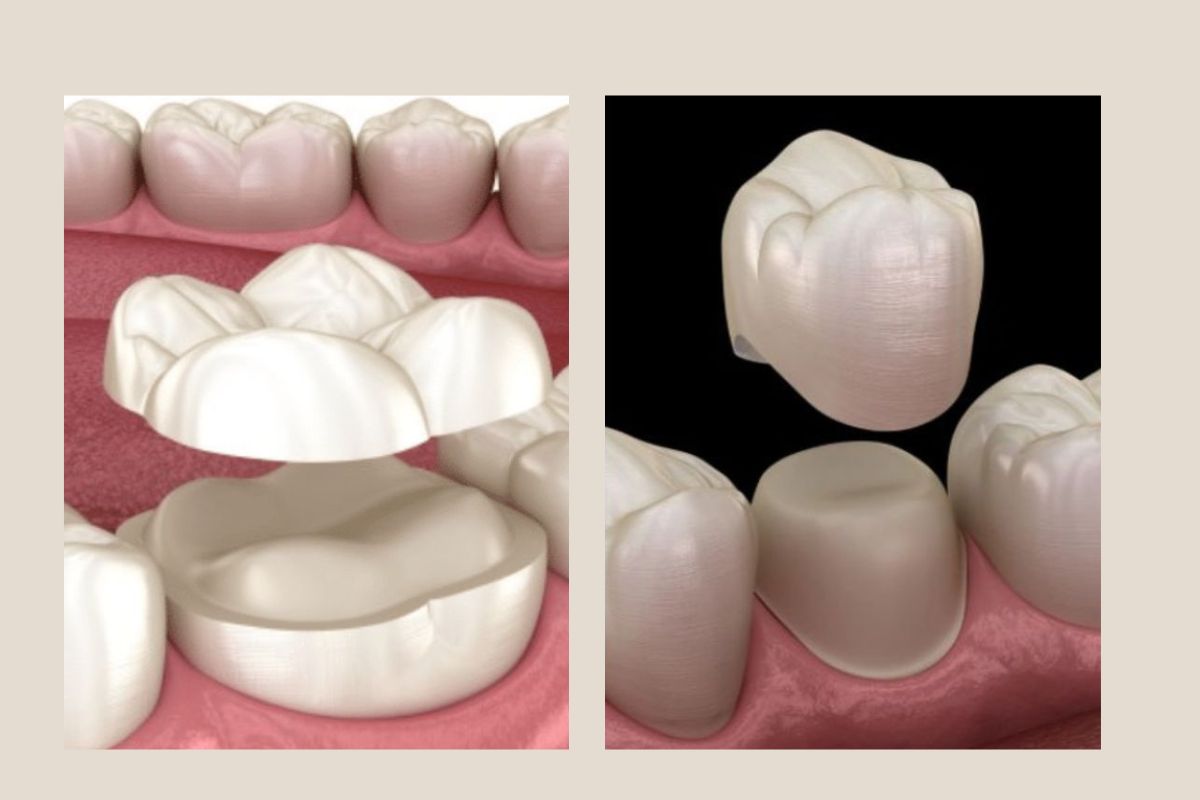
An onlay is a custom-made dental restoration that fits over a damaged or decayed tooth. Unlike fillings that only treat cavities, onlays extend over one or more surfaces of the tooth, often covering the biting surface. Onlays are typically made of porcelain, composite resin, or gold, depending on the patient’s needs and preferences.
Onlays are ideal for teeth with moderate damage that don’t require full coverage. They are a more conservative treatment than crowns because they preserve more of the natural tooth structure. Onlays are used for cases where the tooth has decay or damage but still has enough strength to function without a full crown.
Crowns:
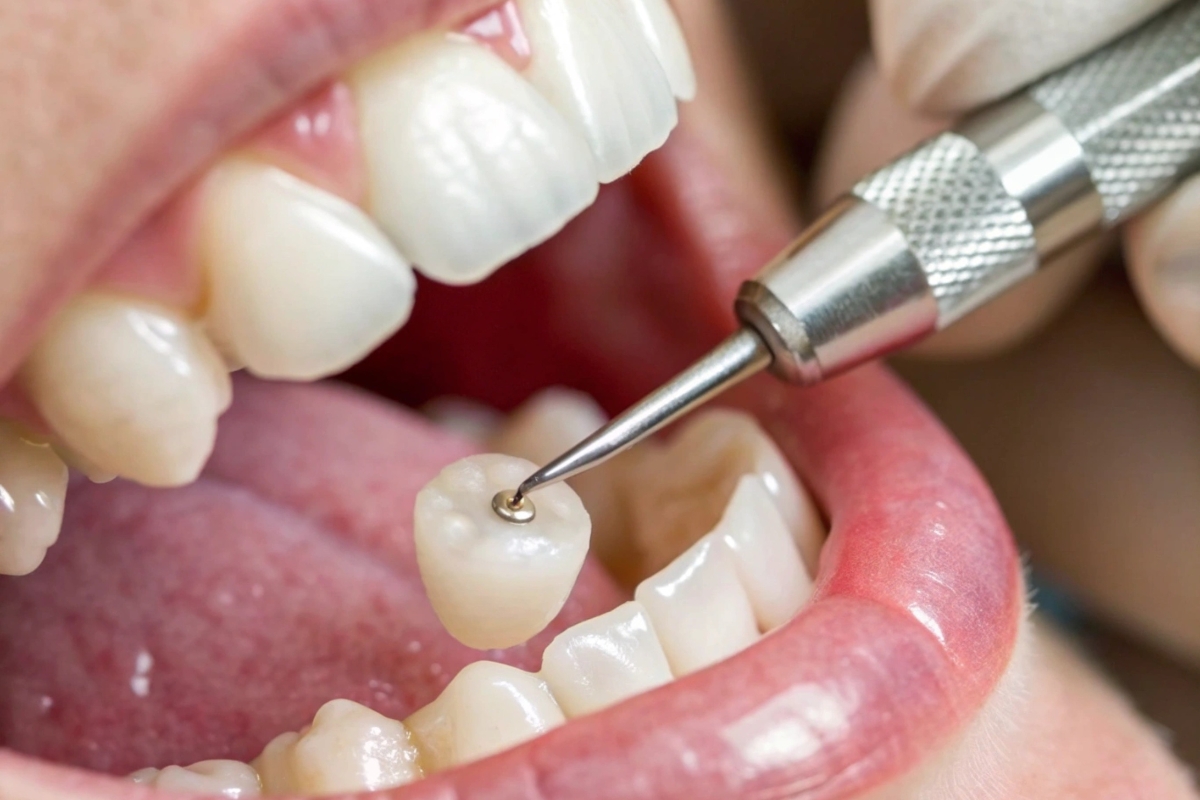
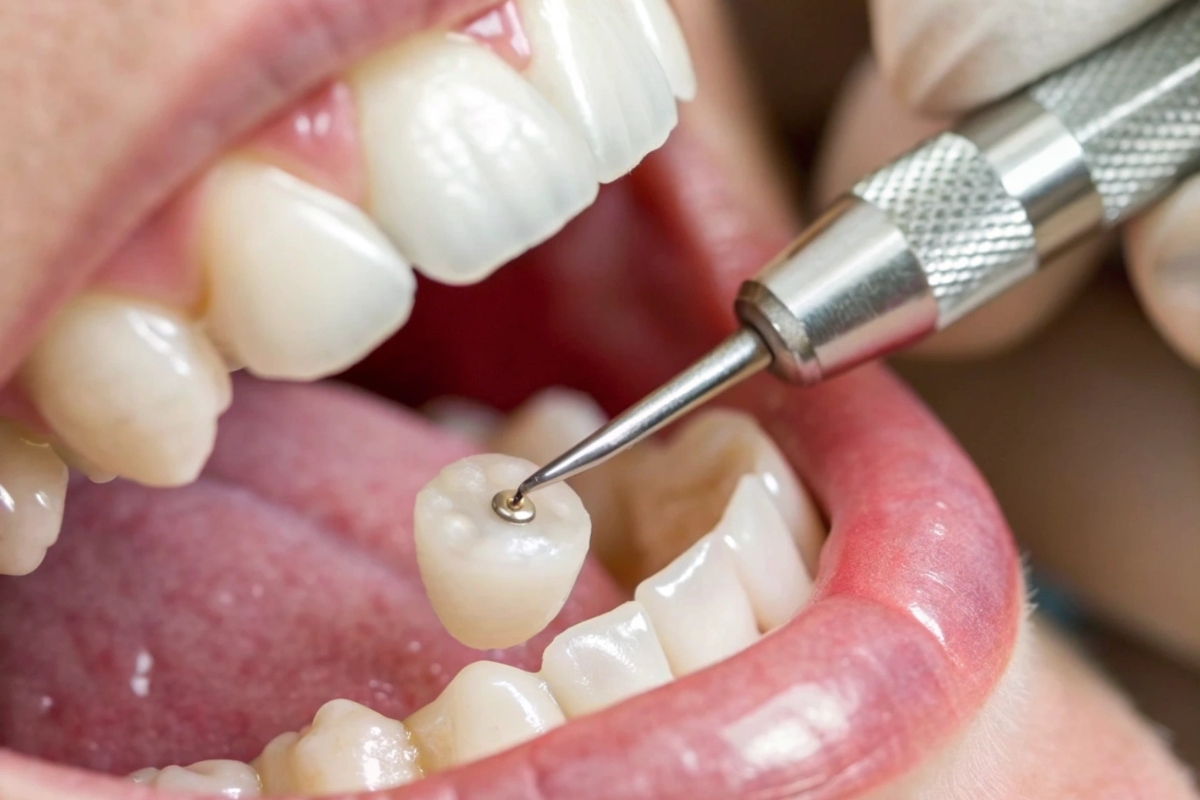
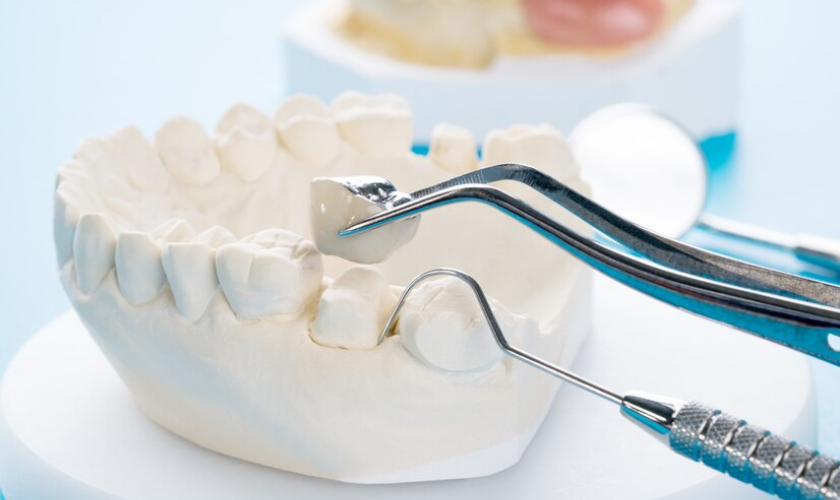
A crown, also known as a dental cap, completely covers a tooth that is severely damaged or weakened. Dental crowns in Riverside are designed to restore the tooth to its original size and shape, providing strength and protection. Crowns are typically recommended for teeth that have large fillings, cracks, fractures, or have undergone a root canal procedure.
It can be made from a variety of materials, including porcelain, metal, or a combination of both. Crowns are often used for teeth that need extensive restoration and are designed to provide durability and full coverage, especially for teeth that are subjected to heavy biting forces.
Comparison:
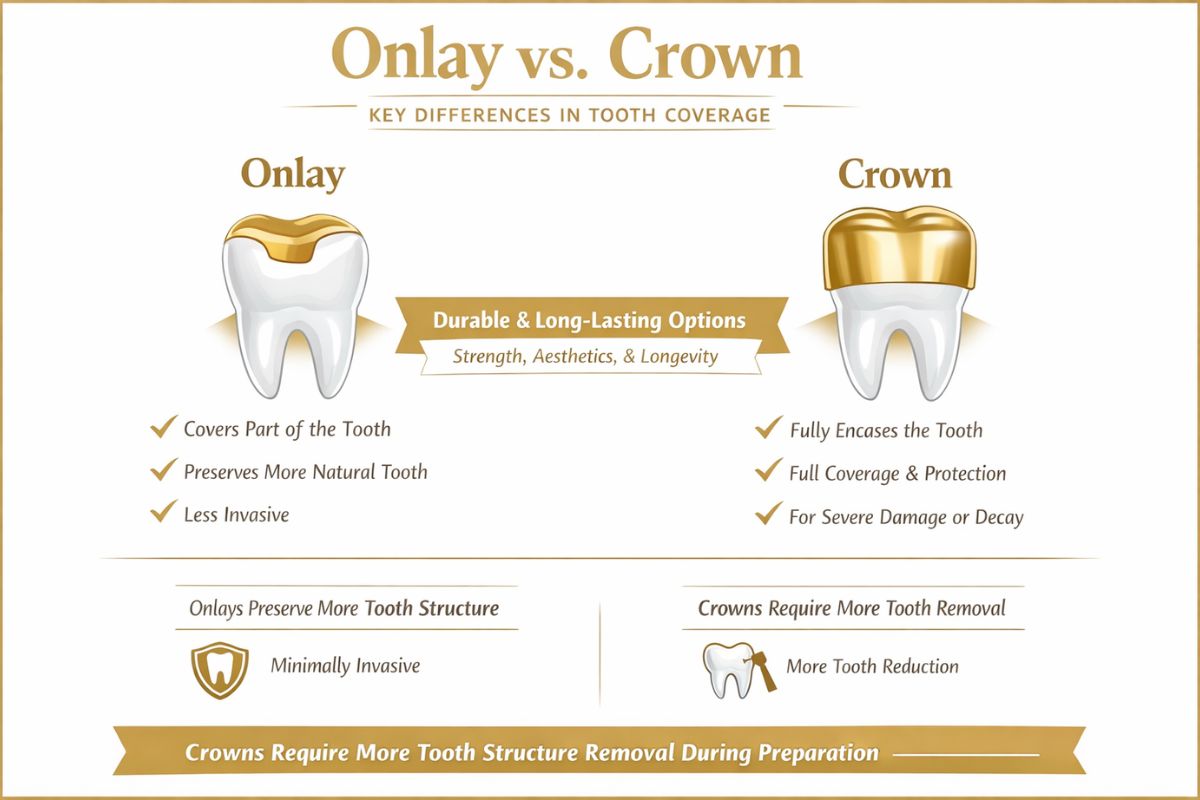
The key difference between an onlay and a crown is the extent of tooth coverage. Onlays cover only part of the tooth, leaving more of the natural tooth intact, whereas crowns fully encase the tooth. Onlays are usually less invasive, and they preserve more tooth structure, making them an excellent choice for moderate dental damage. Crowns, on the other hand, are more suitable for severe damage or decay and provide full coverage and protection.
Both options are durable, and their material choices offer strength, aesthetics, and longevity. However, crowns generally require the removal of more natural tooth structure during the preparation process.
When Is an Onlay the Right Choice?
Ideal Candidates:
Onlays are an excellent option for teeth that have moderate damage or decay. If a tooth has a large cavity, crack, or fracture but still has enough healthy tooth structure left, an onlay can restore its strength without the need to remove significant amounts of the natural tooth. Onlays are particularly useful when fillings alone would not provide the necessary durability.
They are often recommended for back teeth, such as molars, where the damage isn’t extensive enough to require a full crown. They can also be used to cover large fillings that have become compromised over time.
Benefits:
Onlays offer several benefits:
- Minimal tooth removal: Since only part of the tooth is covered, more of the natural tooth remains intact compared to crowns.
- Durability: Onlays are made from durable materials such as porcelain or gold, ensuring they last for years without compromising the strength of the tooth.
- Aesthetic appeal: Porcelain onlays are designed to blend seamlessly with the natural tooth color, making them a great choice for those who want a more discreet restoration, especially for visible teeth.
- Less invasive: The onlay procedure is generally less invasive than placing a crown, leading to a quicker recovery.
Process:
The onlay procedure typically requires two visits:
- Preparation: During the first visit, your dentist at TranscenDental Smiles will clean the affected tooth and remove any decayed tissue. An impression of your tooth will be taken to create a custom onlay.
- Placement: Once the onlay is fabricated, it will be carefully bonded to the tooth. The fit and appearance are checked, and any necessary adjustments are made.
Onlays are a great option if you want to preserve your natural tooth structure while ensuring the tooth is properly restored.
When Is a Crown the Right Choice?
Ideal Candidates:
Crowns are often the best solution for teeth that are severely damaged, decayed, or have undergone a root canal treatment. If your tooth is significantly weakened and requires full coverage to restore its function and protect it from further damage, a crown is the ideal option. Crowns are also used for cosmetic purposes, such as improving the appearance of a tooth that is misshapen or discolored.
Patients who experience extensive tooth wear, large cavities, or fractures often benefit from crowns. They are also necessary for teeth that will experience significant biting forces, such as molars.
Benefits:
Crowns offer numerous advantages:
- Complete tooth protection: A crown encases the entire tooth, offering full protection and strength.
- Durability: Crowns are highly durable and can withstand the pressures of chewing and biting.
- Versatility: Crowns can be made from various materials, including porcelain, which mimics the natural appearance of teeth.
- Long-lasting: With proper care, crowns can last for many years, making them a reliable solution for severe dental damage.
Process:
The crown procedure involves multiple visits:
- Preparation: The dentist will remove the decayed or damaged portion of the tooth to make room for the crown. An impression is taken to create a custom crown.
- Temporary crown: A temporary crown is placed on the tooth while the permanent crown is being made.
- Crown placement: During the second visit, the temporary crown is replaced with the permanent one. The dentist ensures the crown fits properly and makes any necessary adjustments.
Crowns provide a full solution for severely damaged teeth, restoring both appearance and function.
Onlays vs Crowns: Pros and Cons
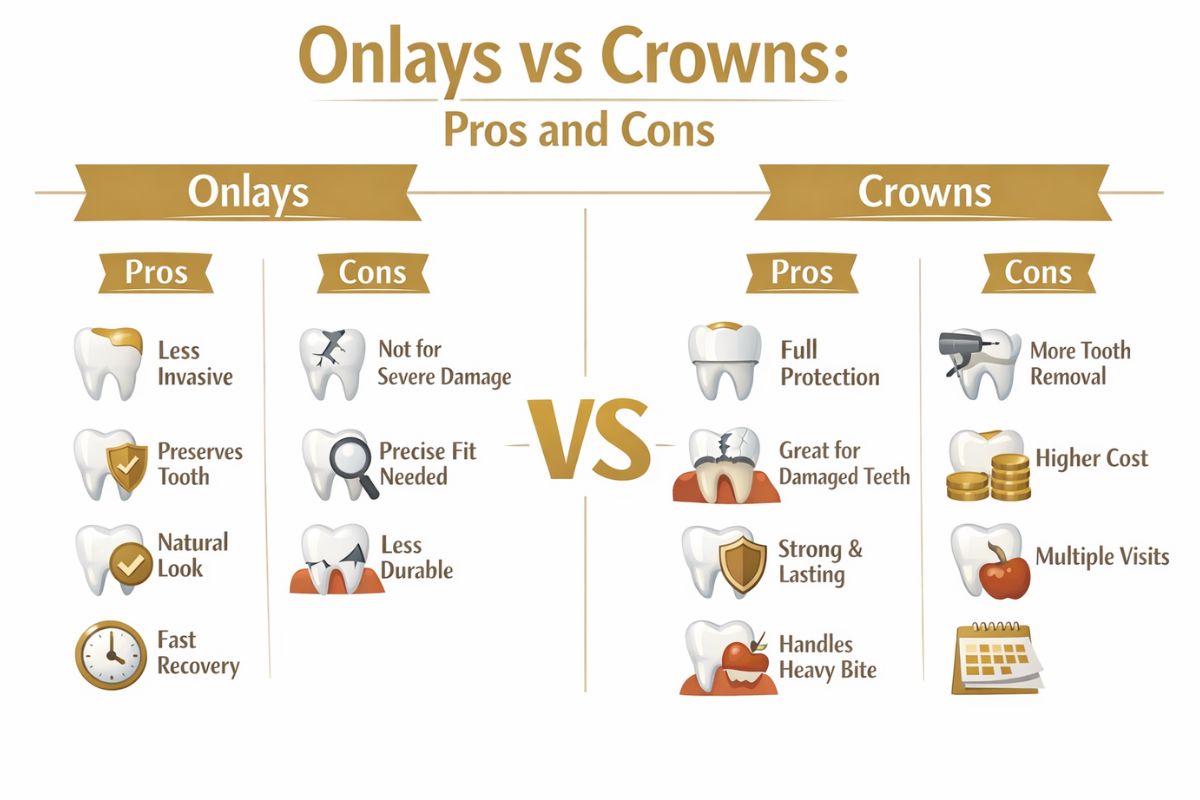
Onlay Pros:
- Less invasive than crowns
- Preserves more natural tooth structure
- Ideal for moderate dental damage
- Durable and aesthetically pleasing
- Quicker recovery time
Onlay Cons:
- Not suitable for severely damaged teeth
- Requires precision for a proper fit
- May not be as durable as crowns for teeth with heavy chewing pressures
Crown Pros:
- Provides full coverage and strength
- Ideal for severely damaged or decayed teeth
- Long-lasting and durable
- Can withstand heavy biting and chewing forces
Crown Cons:
- Requires more tooth structure removal
- More expensive than onlays
- Requires multiple visits for placement
Which One Is Right for You?
When deciding between an onlay and a crown, several factors should be considered. The extent of the damage to your tooth is the most important factor. If the damage is moderate and the tooth is still strong enough to support part of the structure, an onlay might be the best choice. Onlays are also less invasive, preserve more of your natural tooth, and offer a quicker recovery time.
However, if your tooth is severely weakened, cracked, or has undergone a root canal, a crown is likely the better option. Dental crowns in Riverside provide full protection and strength, making them ideal for teeth that need extensive restoration. While crowns may require more tooth structure removal and multiple visits, they offer long-lasting durability and complete tooth coverage.
To determine which option is best for you, it’s essential to consult with a dentist who understands your unique needs. At TranscenDental Smiles, we take the time to evaluate your oral health and recommend the most suitable treatment.
Choosing between an onlay and a crown depends on the extent of the damage and the best way to restore your tooth’s function and appearance. Both options have their benefits, and the right choice for you will depend on your specific dental needs.
Not sure which option is best for you? Schedule an appointment with TranscenDental Smiles today to get personalized advice on tooth restoration and learn which option will work best for your smile. Our team is here to help you make the right choice for a healthy, beautiful smile!
What People Ask
1.How long do crowns last?
Crowns typically last 10-20 years, with proper care, and provide full protection for damaged teeth.
2. Are crowns more expensive than onlays?
Yes, crowns tend to be more expensive than onlays due to the extensive tooth preparation and material used.
3. Do I need a crown if my tooth has a large filling?
If the tooth has significant decay or structural damage, a crown is likely needed to provide full coverage and support.
4. How many visits are needed for crowns and onlays?
Both treatments typically require two visits: one for preparation and another for placement.
5. Are onlays or crowns better for back teeth?
Crowns are usually better for back teeth that endure heavy chewing forces, while onlays are suitable for moderate damage.