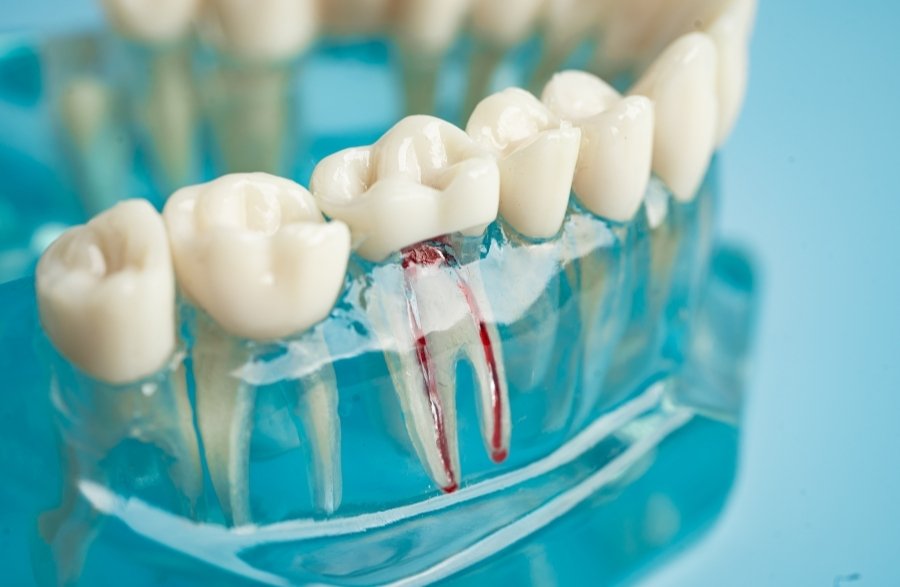

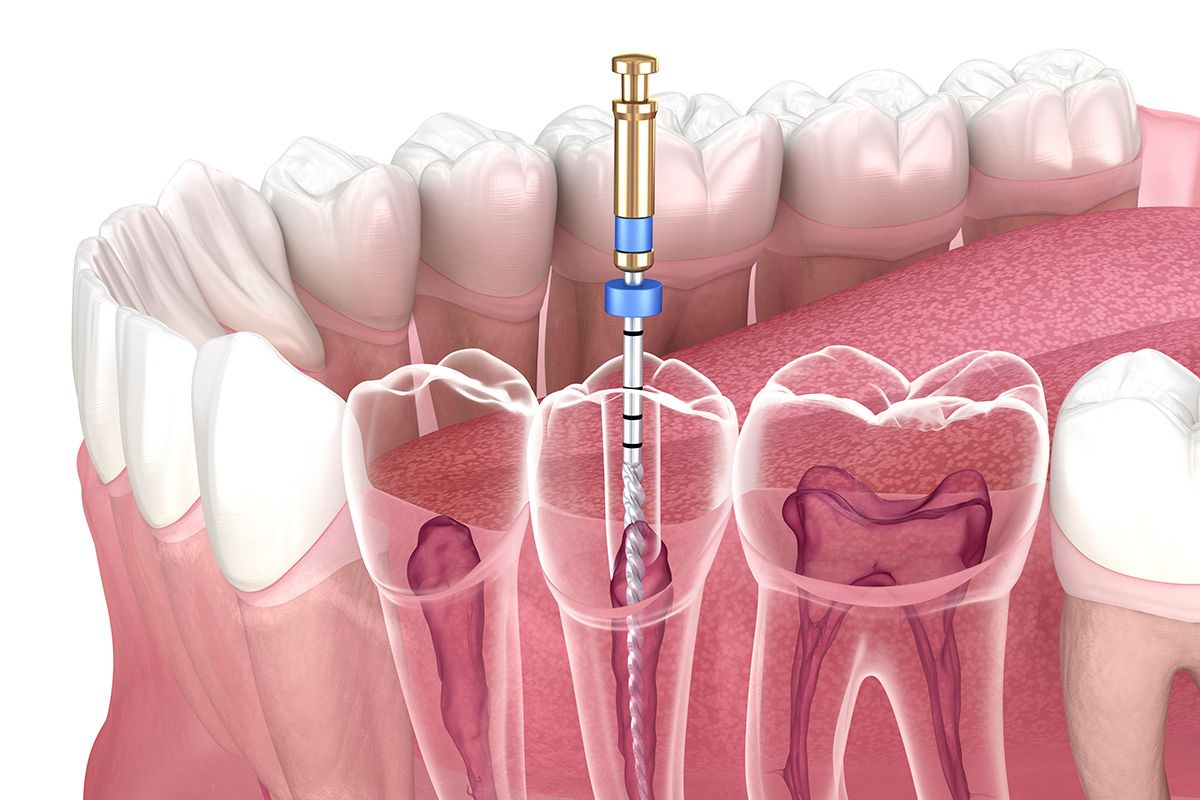
Root canal is one of the most common dental procedures for saving a damaged or infected tooth. This is done by opening the tooth, removing any infected or damaged pulp, sealing it off, and preventing further infection. However, like any medical procedure, root canal therapy is not always permanent, and an infection can occasionally recur years later. You may be left wondering why you’re feeling discomfort or symptoms of infection long after a root canal. But you’re not the only one, and there are successful treatments to correct it.
So, in this guide, we will look at why an infection may develop long after root canal treatment and what to do about it. Knowing the causes and your treatment options can relieve some of that stress and help you choose the correct solution. If you are in Riverside and having root canal trouble, here is what you need to know!
Why Does a Root Canal Infection Develop Years After Treatment?
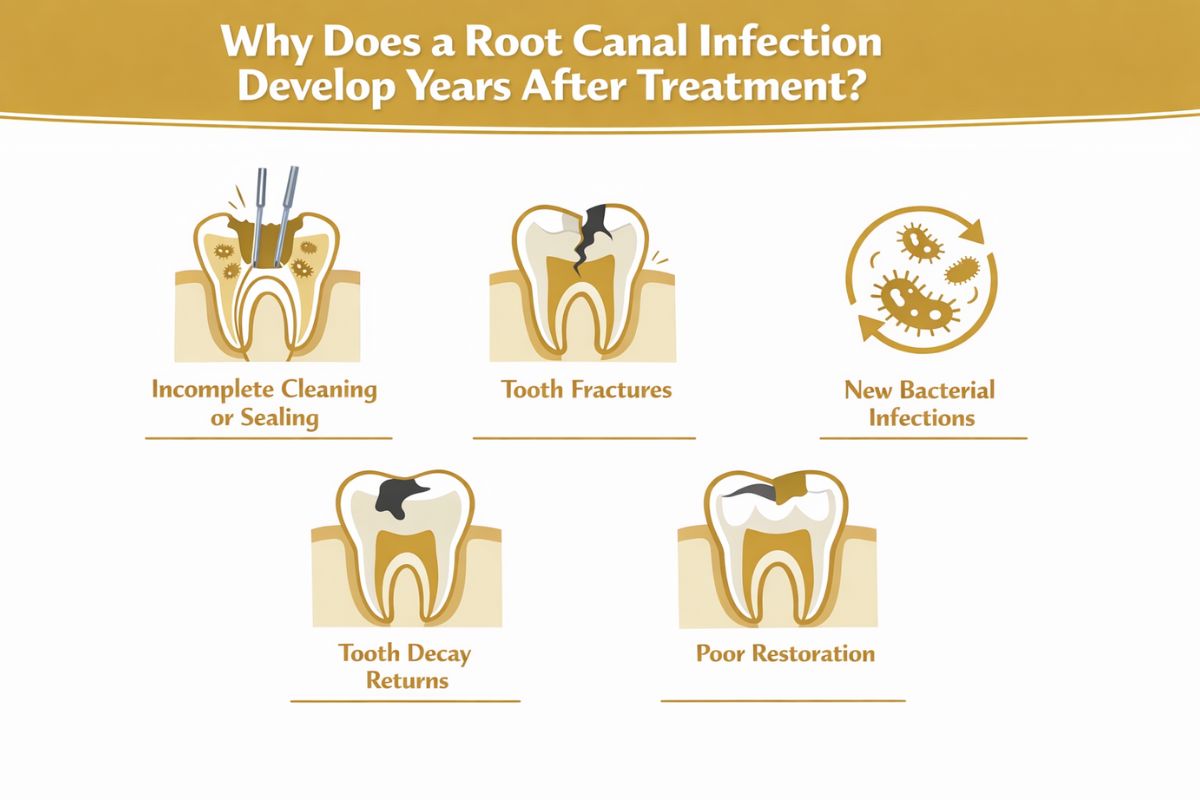
While a root canal is intended to treat the infection and seal off the tooth, many reasons can lead to a new infection later on. The process itself is very efficient, but it is not infallible. Here are some of the most common reasons for a root canal infection to return even years after treatment:
1. Incomplete Cleaning or Sealing
A potential cause of infection in root canals in Riverside is incomplete cleaning and sealing. If you still have bacteria inside the tooth, or if the sealing material was not placed correctly, it can lead to reinfection. This problem is more common in those complex cases, where the canals are very tortuous or difficult to clean.
2. Tooth Fractures
Teeth can crack or fracture over time, allowing bacteria in the root canal to access the tooth. A small crack or fracture in the tooth may lead to another infection, particularly if the tooth was previously compromised by the initial treatment. That means bacteria can slip past the seal and infect the tooth.
3. New Bacterial Infections
Another potential explanation is a new bacterial infection. Over time, conditions such as a weakened immune system, dental trauma, and poor oral hygiene can lead to a reexposure of the tooth and root canal to bacteria. Such a new infection can cause symptoms akin to those of the original problem.
4. The Tooth Becoming Decayed Again
Root canal therapy does not stop the tooth from getting decayed later. And if a patient hasn’t been rigorous with oral hygiene or has cavities in their teeth, that can lead to a new infection. Decay can move inward, causing reinfection in a treated root canal.
5. Poor Restoration
Usually, after a root canal, a restoration such as a crown is done to protect the tooth. If this restoration loosens, breaks, or dislodges from the tooth, it can allow bacteria to re-enter the tooth. Without a proper seal, bacteria can easily invade the tooth, leading to a new infection.
Signs of a Root Canal Infection Years After Treatment
Be aware of the signs that mean a root canal infection could have returned. These include:
- Pain or Discomfort: Mild to severe, sharp or throbbing pain can be felt in the treated tooth or surrounding area.
- Swelling: While some swelling in the gums surrounding the treated tooth is common, it should resolve within a few days, and the site may be tender to the touch.
- Bad Taste or Odor: If the infection has returned, a foul taste in the mouth or bad odor may occur.
- Tooth Sensitivity: Part of the infection being there (or having come back) may be sensitivity to hot/cold.
If you notice any of these, be sure to make an appointment with your dentist as soon as possible for examination and treatment.
How is a Root Canal Infection treated?
If, years later, you get stuck with a root canal infection, do not panic; there are effective treatments to deal with the problem and hopefully get your tooth healthy again.
1. Retreatment of the Root Canal
The first step in treating a re-infected root canal is retreatment. This includes reopening the tooth, removing old fillings and infected tissue, and then re-cleaning the canals. They then seal off the tooth to keep any more bacteria out. This procedure is very effective at treating the problem, and usually even completely fixes it.
2. Apicoectomy
In some cases, retreatment by itself isn’t sufficient. If the infection persists after a second treatment, or if there is an infection at the root tips of the teeth, one can remove them through a procedure known as apicoectomy. This involves removing the end of the tooth root and the infected tissue around it. The area is then filled, and the tooth restored. This procedure is usually performed if there is a deep or chronic infection.
3. Tooth Extraction
In some cases, retreatment or apicoectomy may not be possible to save the tooth, and extraction would need to be done. While this is usually a last-resort option, it helps ensure the infection doesn’t spread to other parts of the mouth. Once extracted, there are options to restore your smile and function with a dental implant or a bridge.
How To Prevent Future Infections After A Root Canal?
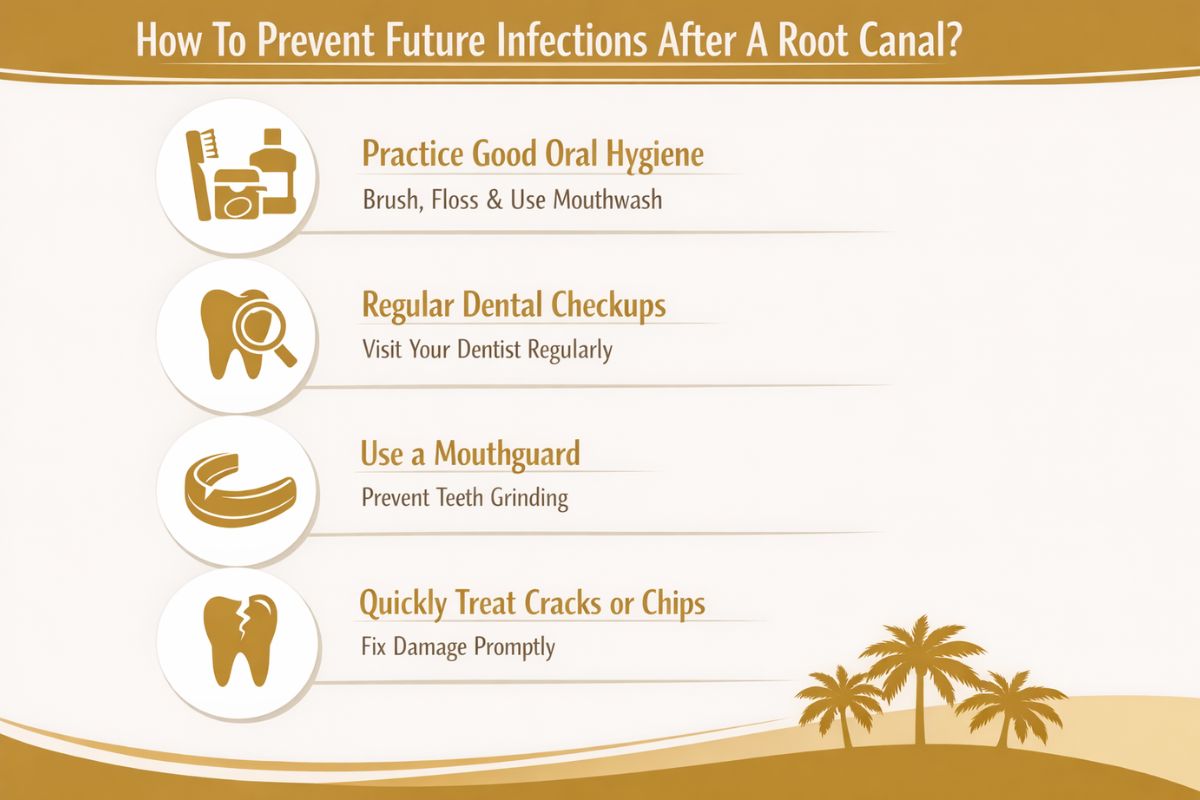
Though there’s no surefire way to prevent infections after a root canal, you can take steps to reduce the risk:
- Practice Good Oral Hygiene: You should brush twice a day, floss once a day, and use mouthwash to reduce bacteria buildup in your mouth.
- Regular Dental Checkups: Routine visits to the dentist in Riverside can have serious benefits by addressing issues early and helping prevent issues before they become a problem.
- Use a Mouthguard: If you are prone to grinding your teeth, a mouthguard can prevent damage to your teeth and any dental restorations.
- Quickly Treat Cracks or Chips: Once a tooth starts to crack or chip, bacteria can enter the tooth through the crack or chip and reach the root canal.
Root Canal Infection Treatment Years Later
Seek timely treatment if you suspect a recurrent root canal infection. There are many paths to restoring your tooth’s health, and at TranscenDental Smiles, we understand how worrisome it is to live with long-term infection.
We will assess your situation and take the necessary steps to solve the problem. Don’t let an infection linger. Schedule an appointment with us today and take the first step toward a healthy smile!
Questions People Ask About Root Canal Treatment
- Can a root canal infection come back after several years?
Yes, a root canal infection can return due to incomplete sealing, cracks, or new bacterial exposure. It’s important to monitor symptoms like pain or swelling and consult your dentist if they occur to prevent further complications. - How can I tell if my root canal infection has returned?
Signs of a recurring root canal infection include pain, swelling, bad taste, tooth sensitivity, or tenderness around the treated area. If any of these symptoms appear, it’s essential to schedule an appointment for evaluation and treatment. - Can retreatment fix a root canal infection that comes back?
Yes, retreatment is an effective way to resolve a recurring root canal infection. Your dentist will clean the canals, remove old filling material, and re-seal the tooth to prevent further bacterial entry, often successfully resolving the issue. - What happens if a root canal infection is left untreated?
Untreated root canal infections can worsen, causing severe pain, a tooth abscess, or even tooth loss. The infection may spread to surrounding areas, increasing the risk of further complications and requiring more extensive treatments down the line. - How long does it take to recover from a root canal retreatment?
Recovery from root canal retreatment usually takes a few days. Mild discomfort is common, but pain can be managed with over-the-counter medications. Most patients return to normal activities within a few days, though healing times vary. - Can I prevent a root canal infection from coming back?
Maintaining good oral hygiene, visiting your dentist regularly, and addressing cracks or decay promptly can help prevent a root canal infection from returning. Additionally, wearing a mouthguard if you grind your teeth can protect your restoration.