
Getting a dental implant is one of the best decisions you can make for your oral health. The results look and feel natural. But here’s what often gets left out of the conversation: what happens after the implant is placed determines everything about how long it lasts and how well it performs.
Implants aren’t like natural teeth in every way; they can’t get cavities, for instance, but they can still fail. And most implant failures aren’t random. They’re preventable. That’s why maintenance isn’t an afterthought. It’s the foundation that keeps your investment working for decades.
What Makes Implants Different And Why That Changes How You Care for Them
The Bone Connection You Can’t Ignore
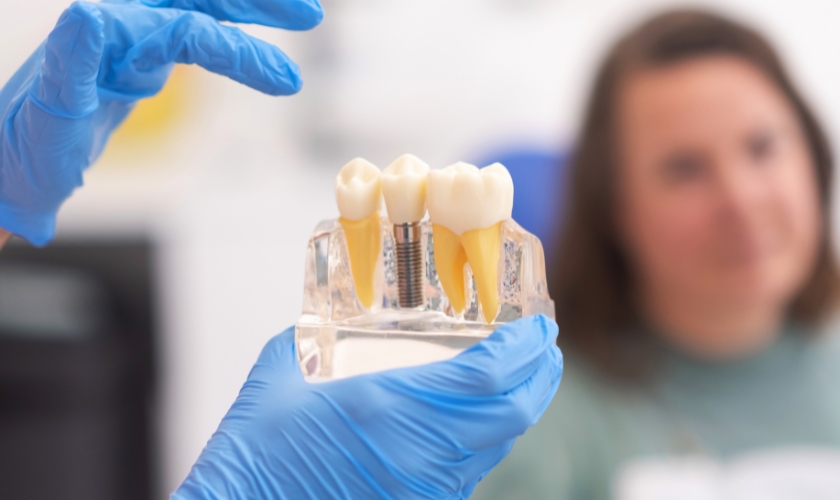
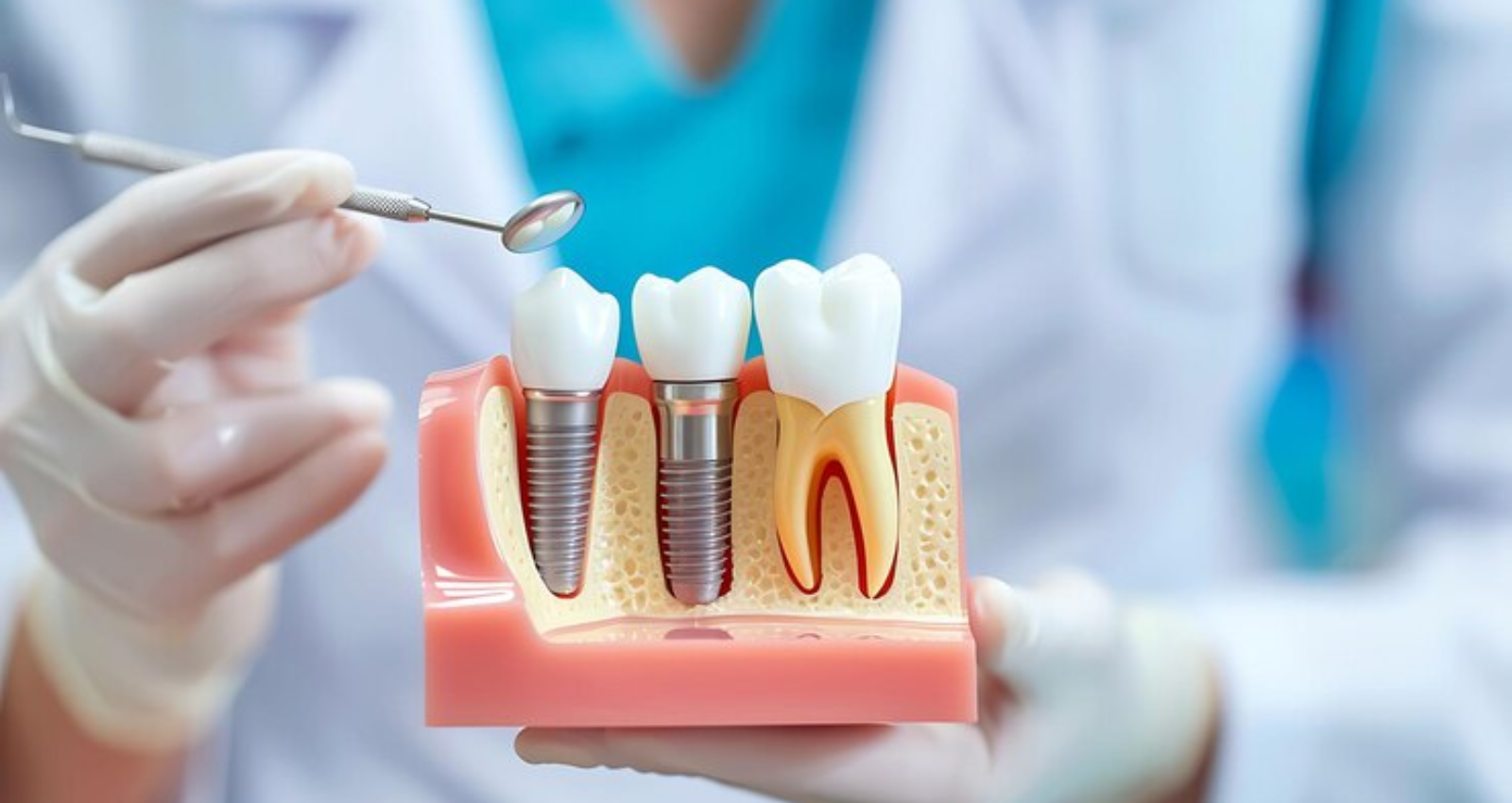
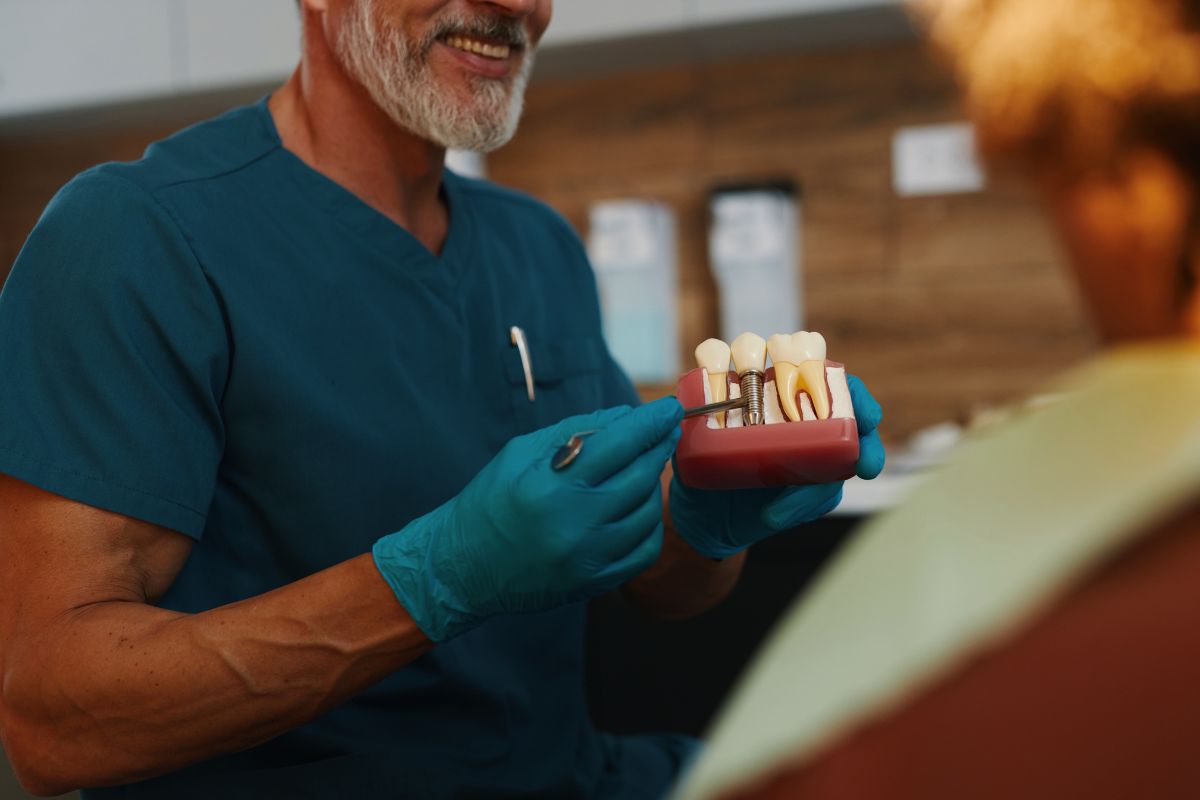
A dental implant is a titanium post placed directly into the jawbone. Over several months, the bone grows around it through a process called osseointegration. Once that bond forms, the implant becomes stable enough to support a crown, bridge, or denture.
That bond is strong, but it’s not unconditional. The tissue surrounding the implant, particularly the gum tissue, remains vulnerable to bacterial buildup. This can lead to a condition called peri-implantitis, which is gum disease around an implant. Left untreated, it causes bone loss around the post and, eventually, implant failure.
For patients who have received dental implants in Riverside, this is one of the most important things to understand going forward. The implant itself doesn’t deteriorate, but the surrounding environment can.
The Daily Habits That Protect Your Implant Long-Term
Most people brush their teeth. But only a few people brush well. With implants, technique matters more than with natural teeth because the margin between the crown and the gum is a common site for plaque to accumulate.
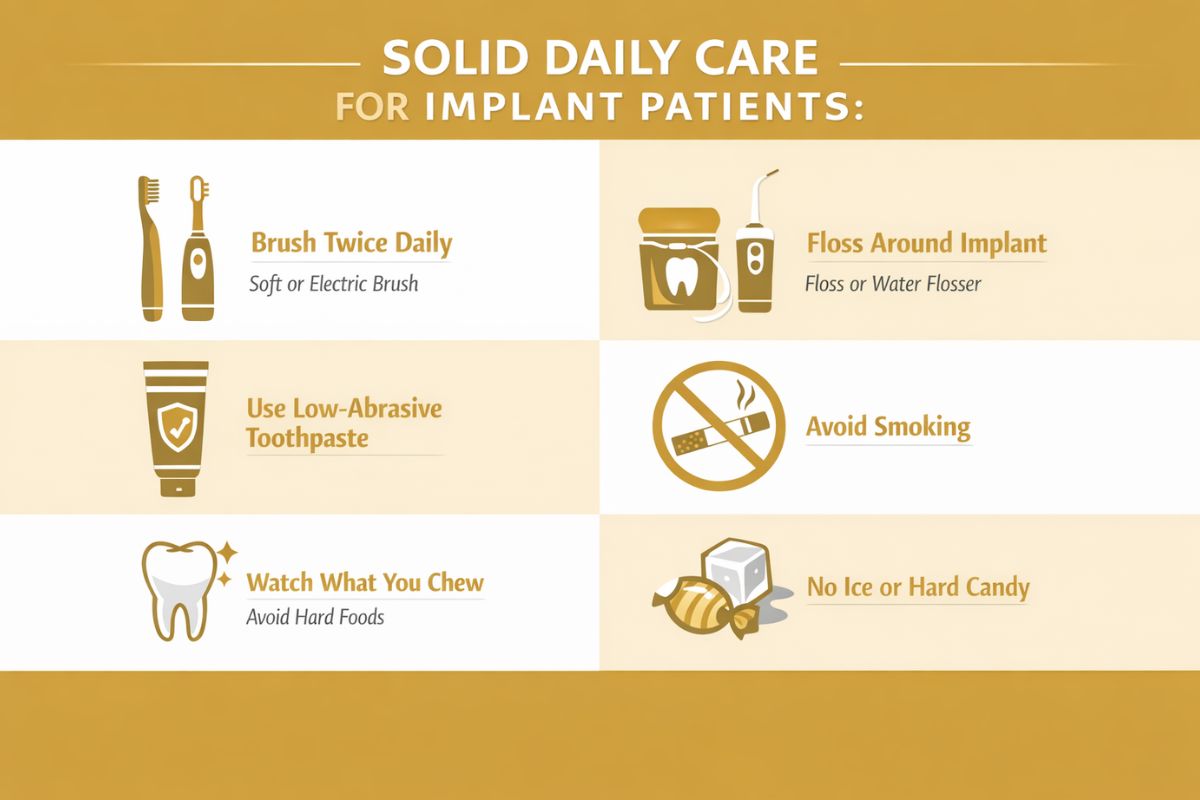
Here’s what solid daily care looks like for implant patients:
- Brush twice daily using a soft-bristled toothbrush or an electric brush. Hard bristles can scratch the crown surface and irritate the gum tissue around the implant.
- Floss carefully around the implant. Regular floss works, but implant-specific floss or a water flosser can reach the areas that standard floss misses.
- Use a low-abrasive toothpaste. Highly abrasive whitening pastes can degrade the surface of your crown over time.
- Avoid smoking. This one is significant. Smoking reduces blood flow to the gums and impairs healing, which substantially increases the risk of peri-implantitis and implant failure. Research consistently shows that smokers have higher implant failure rates than non-smokers.
- Watch what you chew. Implants are durable, but they’re not indestructible. Chewing on ice, hard candy, or non-food items puts unnecessary stress on the crown and the abutment below it.
None of this is complicated. But it requires consistency, and that’s where many patients fall short after the initial excitement of a successful procedure wears off.
Why Professional Cleanings Work Differently for Implant Patients
What Happens at an Implant Maintenance Visit
A standard cleaning and an implant maintenance visit aren’t the same thing. Your hygienist uses instruments around implants, typically plastic or titanium curettes rather than metal scalers, to avoid scratching the implant surface. Scratches create microscopic grooves where bacteria can accumulate, so the right tools genuinely matter here.
During your visit, your dental team will also probe the tissue around each implant to check for pocket depth. Deeper pockets signal inflammation or early-stage peri-implantitis that may not yet be causing symptoms. Catching it early makes treatment far simpler.
X-rays taken periodically help monitor the bone level around the implant. Gradual bone loss is one of the first signs that something is going wrong beneath the surface, and it’s essentially invisible without imaging.
If you had periodontal disease before your implant placement, your maintenance schedule may need to be more frequent than the standard twice-yearly cleanings. Your dentist will tailor the timeline to your history.
The Signs That Your Dental Health Needs Attention
Implants don’t cause the sharp, sudden pain that a cavity in a natural tooth might. That’s partly why problems can go unnoticed longer than they should. Still, there are warning signs worth taking seriously:
- Swelling, redness, or tenderness in the gum tissue around your implant
- Bleeding when you brush or floss near the implant
- Looseness or movement in the crown or the implant itself
- A change in how your bite feels
Any of these necessitates a prompt call to your dentist not a “wait and see” approach. Peri-implantitis treated in its early stages can often be managed without surgical intervention. Treated late, the options become more limited and more involved.
How Long Should a Dental Implant Actually Last?
Studies show that dental implants have a survival rate of over 95% at 10 years when properly maintained. Some implants have remained functional for 25 years or more. The variables that most consistently affect longevity are maintenance quality, overall health, and smoking status.
That’s a remarkable track record for any dental restoration. But it doesn’t happen by accident. The patients who get decades of reliable function from their implants are, almost without exception, the ones who stayed on top of their care both at home and with their dental team.
For anyone who has dental implants in Riverside, building maintenance into your routine isn’t optional. It’s what makes the difference between a restoration that lasts a decade and one that lasts a lifetime.
Your Implant Deserves the Same Attention You Gave to the Decision to Get It
Choosing a dental implant takes research, commitment, and trust in your dental provider. Maintaining it requires far less effort, but it requires that effort consistently. The daily habits and routine professional care that protect your implant aren’t burdensome. They’re just the ongoing side of a decision you already made.
At TranscenDental Smiles, we work with implant patients at every stage, from placement through long-term maintenance to ensure your implant performs the way it’s supposed to for as long as possible.
Call our Riverside dental office today or book online. Your implant did its job. Now let’s make sure it keeps doing it.
People Also Ask
- How soon after getting an implant should I start maintenance visits?
Your dentist will schedule follow-up appointments as part of your post-placement care plan. Once the implant has fully integrated, typically within three to six months, your regular maintenance schedule begins. The timing varies based on your individual healing and oral health history.
- Can peri-implantitis be reversed?
In its early stages, yes — with professional treatment and improved home care. Advanced peri-implantitis involving significant bone loss is harder to reverse and may require surgical intervention. Early detection through regular visits is what makes the difference.
- Do I need to see a specialist for implant maintenance, or can my general dentist handle it?
Most general dentists are well-equipped to manage implant maintenance. What matters most is that your provider is familiar with implant-specific protocols, proper instruments, probing technique, and appropriate imaging. Ask your dentist about their approach at your next visit.
- Is a water flosser better than regular floss for implants?
Both are effective. A water flosser can be particularly useful for reaching the area beneath the crown where it meets the gum — an area that standard floss sometimes can’t fully clean. Many implant patients find using both provides the most thorough coverage.
- What happens if I grind my teeth? Will that affect my implant?
Yes. Bruxism (teeth grinding) places excessive force on implants and can damage the crown, the abutment, or even compromise osseointegration over time. If you grind your teeth, your dentist may recommend a custom night guard to protect your implant while you sleep.