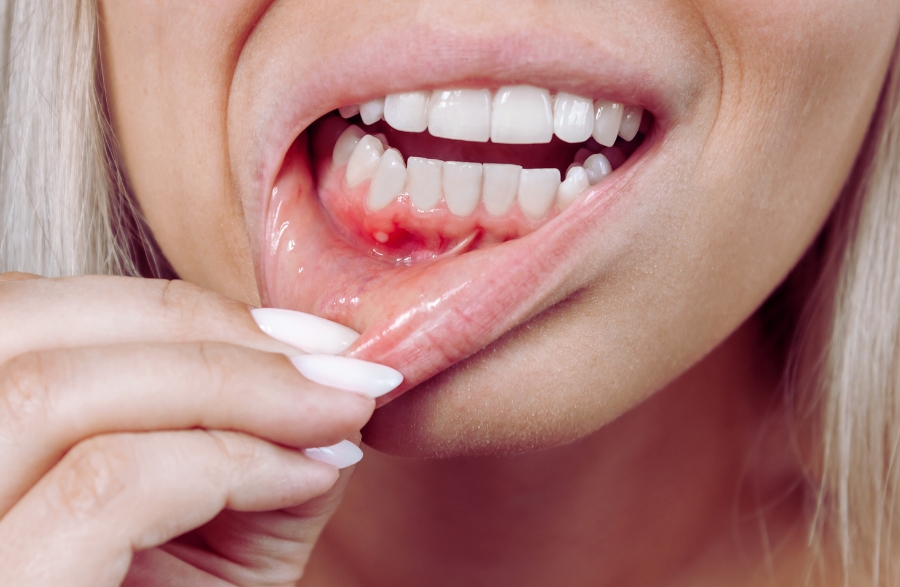

Did you know that mastic gum has been used for centuries for its health benefits? This natural resin, derived from the mastic tree, has been a staple in traditional medicine for its various healing properties. Whether you’re looking to improve your oral health or curious about its potential risks, it’s essential to understand both sides of this powerful gum.
In this blog, we’ll explore the multiple benefits of mastic gum, particularly its effects on oral health, and the possible risks that come with it. As we dig into both aspects, we’ll provide you with a professional health perspective, ensuring that you’re well-informed before deciding whether to incorporate mastic gum into your routine. Let’s dive in!
What is Mastic Gum?
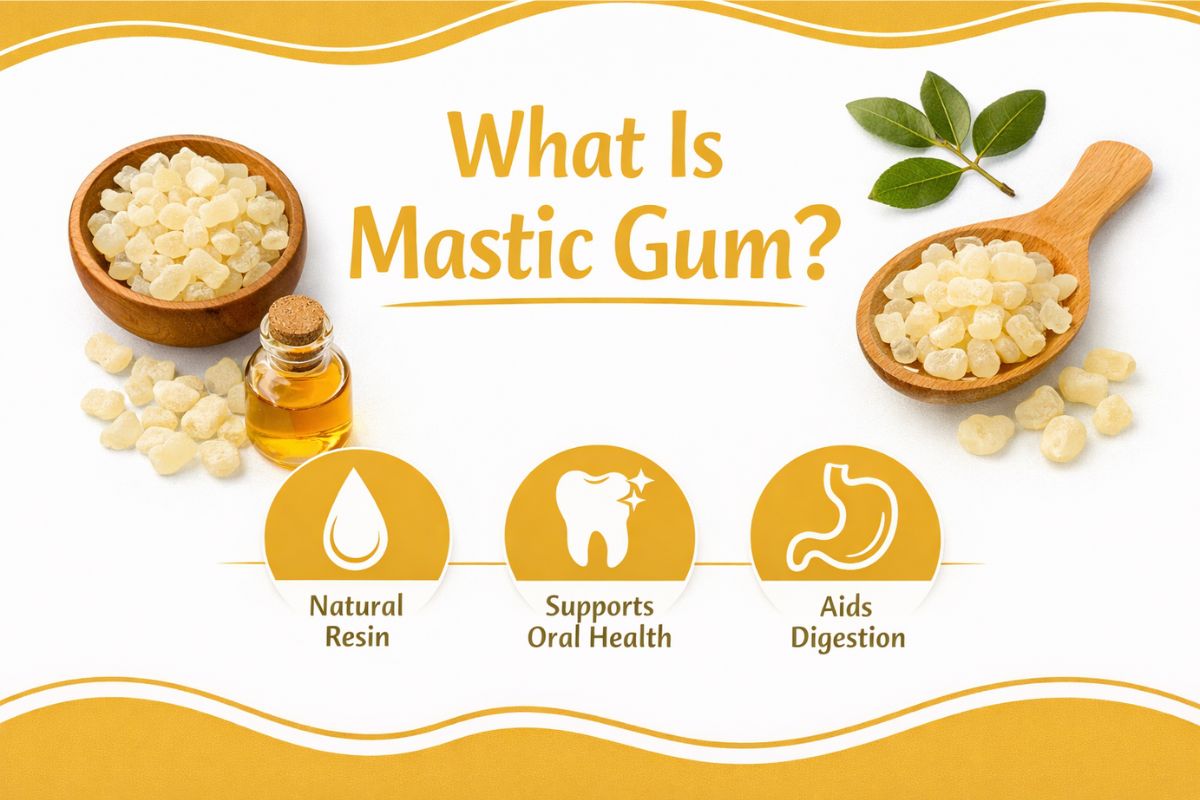
Mastic gum is a resin harvested from the mastic tree (Pistacia lentiscus), which primarily grows in the Mediterranean region. Most notably, it is sourced from the Greek island of Chios, where the resin has been tapped for centuries. The mastic tree produces a gummy substance that hardens into tears, which are then collected and used for various purposes.
Historically, mastic gum was highly regarded for its medicinal properties. It was used by ancient civilizations, including the Greeks and Romans, who recognized its ability to aid in digestion and promote oral health. Mastic gum has been used for everything from treating gastrointestinal issues to improving oral hygiene and even freshening breath.
In traditional medicine, mastic gum is often chewed as a natural remedy for digestive ailments. It’s believed to have antibacterial and anti-inflammatory properties, which may help in treating conditions like ulcers, indigestion, and other stomach-related problems. Additionally, its antibacterial properties have made it a popular choice for enhancing oral care.
Key Benefits of Mastic Gum for Oral Health
Mastic gum has earned a reputation as a powerful ally in oral health, and for good reason. Let’s explore its various benefits:
Anti-Bacterial Properties:
One of the primary reasons mastic gum is lauded for oral health is its natural antibacterial properties. Studies have shown that mastic gum can help fight harmful bacteria in the mouth, including those responsible for bad breath and plaque formation. By chewing mastic gum, you may help reduce the number of harmful bacteria in your mouth, which in turn can lead to fresher breath and healthier gums.
Prevention of Cavities:
Mastic gum’s antibacterial effects also make it an excellent tool in the fight against tooth decay. It has been shown to inhibit the growth of bacteria such as Streptococcus mutans, which is a key player in the development of cavities. Regularly chewing mastic gum may, therefore, help protect your teeth from decay and reduce the risk of cavities.
Gum Health:
Gum disease is a common oral health problem, but mastic gum may help reduce the risk of developing it. Its anti-inflammatory and antibacterial properties can help soothe inflamed gums, improve circulation, and prevent gum infections. By chewing mastic gum, you may be able to promote better gum health and reduce the likelihood of gingivitis or periodontitis.
Saliva Production:
Chewing mastic gum naturally stimulates saliva production, which is essential for maintaining healthy teeth and gums. Saliva helps to neutralize acids in the mouth, preventing enamel erosion and helping to protect against tooth decay. Increased saliva flow also aids in washing away food particles and bacteria, providing a natural defense against oral health issues.
Other Oral Benefits:
In addition to the above benefits, mastic gum has been shown to help in remineralizing enamel, a process that can aid in restoring damaged teeth. Its antioxidant properties may also help fight free radicals in the mouth, contributing to overall oral health. Furthermore, some studies suggest that mastic gum may help alleviate symptoms of dry mouth (xerostomia), which can be particularly beneficial for individuals with reduced saliva production.
The Potential Oral Risks of Mastic Gum
While mastic gum offers many oral health benefits, there are a few risks to consider before adding it to your daily routine. Here’s what you need to know:
Teeth Sensitivity:
Excessive chewing of mastic gum may wear down dental enamel over time, potentially leading to tooth sensitivity. If you already have sensitive teeth, chewing too much gum may exacerbate discomfort. It’s essential to practice moderation to avoid causing unnecessary wear on your enamel.
Risk of Jaw Strain:
Chewing mastic gum for extended periods can put strain on your jaw muscles and temporomandibular joint (TMJ). This may lead to discomfort or jaw pain, especially if you chew for long sessions or chew too aggressively. People with existing jaw issues or those who suffer from conditions like bruxism (teeth grinding) should be cautious when using mastic gum.
Allergic Reactions:
Though rare, some individuals may experience allergic reactions to mastic gum, particularly if they have sensitivities to tree resins. Symptoms could include swelling, itching, or irritation in the mouth. If you experience any discomfort after chewing mastic gum, it’s a good idea to discontinue use and consult with a healthcare provider.
Potential for Ingesting Contaminants:
Mastic gum that isn’t sourced properly could be contaminated with impurities or additives. It’s crucial to choose high-quality, well-sourced mastic gum from reputable suppliers to minimize the risk of ingesting harmful substances. Always ensure that you are using a safe and natural product for your oral health.
How to Safely Use Mastic Gum
To enjoy the benefits of mastic gum while minimizing the risks, it’s important to use it responsibly. Here are some tips from a professional periodontist in Riverside for safe use:
Moderation:
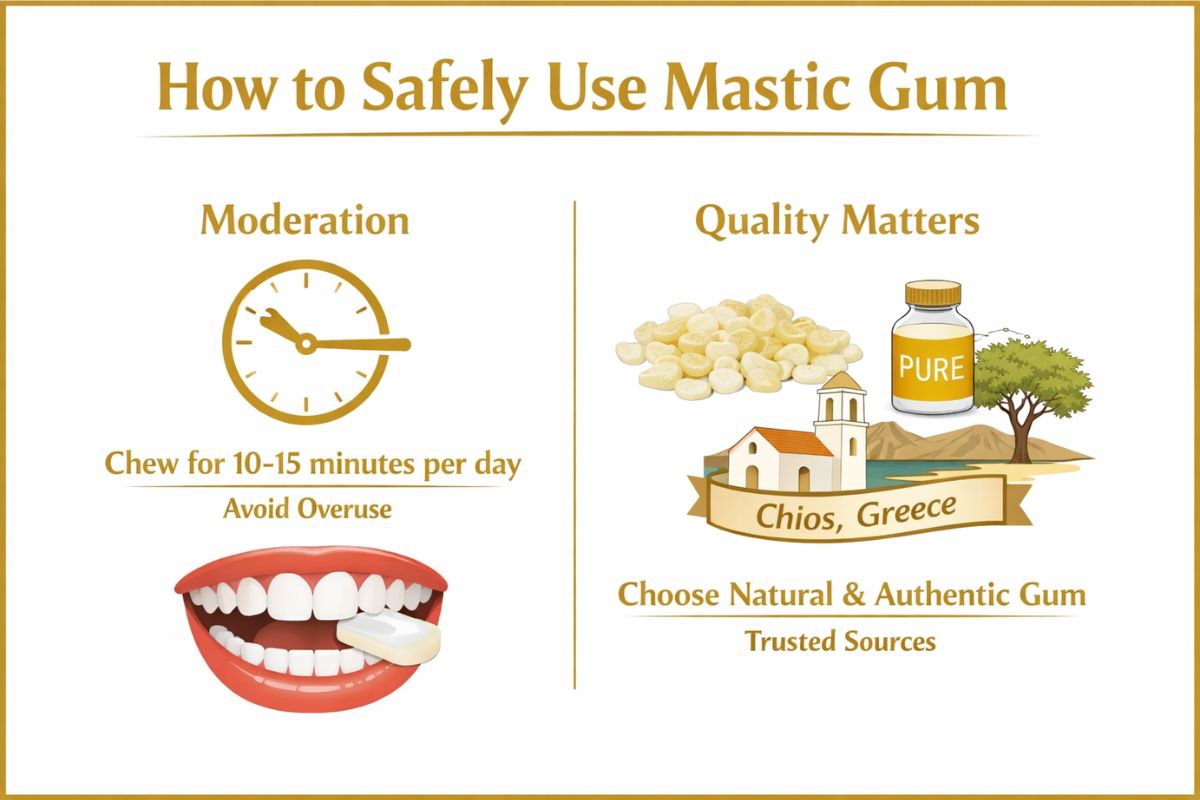
While mastic gum offers many benefits, moderation is key. Professionals recommend chewing mastic gum for 10-15 minutes per day to reap its oral health benefits without overdoing it. Chewing too much may lead to jaw strain or enamel wear, so be mindful of how often you chew.
Quality Matters:
Always opt for high-quality, natural mastic gum. Be sure to purchase from trusted suppliers who offer products that are free from additives and contaminants. Look for mastic gum that is sourced from reputable regions, such as Chios, Greece, to ensure its purity.
Alternatives for Sensitive Individuals:
If you have sensitive teeth or jaw issues, consider using mastic gum in smaller amounts or choosing alternatives like xylitol gum, which can provide similar oral health benefits without the risk of jaw strain or enamel damage. Always consult with your periodontist before starting any new oral care routine.
Professional Health Perspective
As with any oral health practice, it’s important to seek professional guidance when introducing something new into your routine. Here’s what dental professionals have to say about mastic gum:
Dental Professionals Weigh In:
Dr. Richie Tran, a renowned periodontist at TranscenDental Smiles, emphasizes that mastic gum can be beneficial in small, controlled amounts. “Its antibacterial and anti-inflammatory properties can be very helpful for oral health, but it’s crucial to chew it in moderation. Overuse can lead to jaw discomfort and tooth sensitivity,” he explains.
Personalized Advice:
Before incorporating mastic gum into your daily oral care routine, it’s always wise to consult with your periodontist in Riverside. If you have existing dental conditions, such as sensitive teeth or TMJ issues, your dentist can provide personalized advice on how to use mastic gum safely and effectively.
Balancing Benefits and Risks:
Overall, mastic gum offers a natural way to improve oral health, but it’s important to strike a balance. When used responsibly and in moderation, it can contribute to healthier teeth and gums. However, it’s crucial to be mindful of its potential risks and to consult a dental professional if you have concerns.
Mastic gum provides numerous oral health benefits, from fighting bacteria to promoting healthier gums. However, like any natural remedy, it comes with its risks. It’s essential to chew in moderation and be cautious of potential side effects, such as tooth sensitivity and jaw strain.
If you’re considering adding mastic gum to your oral care routine, remember that balance is key. Always consult with your periodontist to ensure that mastic gum is a good fit for your oral health needs.
At TranscenDental Smiles, we are here to provide professional advice tailored to your specific dental care needs. Schedule your appointment today and take the next step toward a healthier smile!
People Also Ask
1. How much mastic gum should I chew each day for oral health?
It’s best to chew mastic gum for 10-15 minutes per day to enjoy its benefits without causing any harm to your teeth or jaw.
2. Can mastic gum prevent cavities?
Yes, mastic gum has natural antibacterial properties that help fight the bacteria responsible for cavities, reducing the risk of tooth decay.
3. Is mastic gum safe for people with sensitive teeth?
Mastic gum may cause discomfort for individuals with sensitive teeth. It’s best to consult with a dentist before using it regularly if you have tooth sensitivity.
4. Can mastic gum help with bad breath?
Yes, mastic gum has antibacterial properties that help reduce the bacteria causing bad breath, leaving your mouth feeling fresher.
5. Can I chew mastic gum if I have braces?
It’s best to avoid chewing mastic gum if you have braces, as it could get stuck or cause discomfort. Always check with your orthodontist first.